Florida humidity quietly turns bathroom grout, window seals, and AC drip pans into mold real estate. Here is how to stay ahead of it.
If you've lived in South Florida for more than one rainy season, you already know the drill. You clean the bathroom on a Saturday, and by the following Wednesday there is a faint dark ring creeping back along the grout lines. It is not that you cleaned it wrong. It is that you live in one of the most humid places in the continental United States, and mold does not need much of an invitation.
The average relative humidity in Miami-Dade, Broward, and Palm Beach counties hovers between 70 and 90 percent for most of the year. Mold spores, which float around in every home all the time, only need a surface to stay damp for 24 to 48 hours before they start to colonize. In a Florida bathroom with poor ventilation, that window closes fast.
The spots that get hit first
Most people think about the shower when they picture mold, and that is fair, it is the obvious one. But in a South Florida home, the problem shows up in places you might not expect.
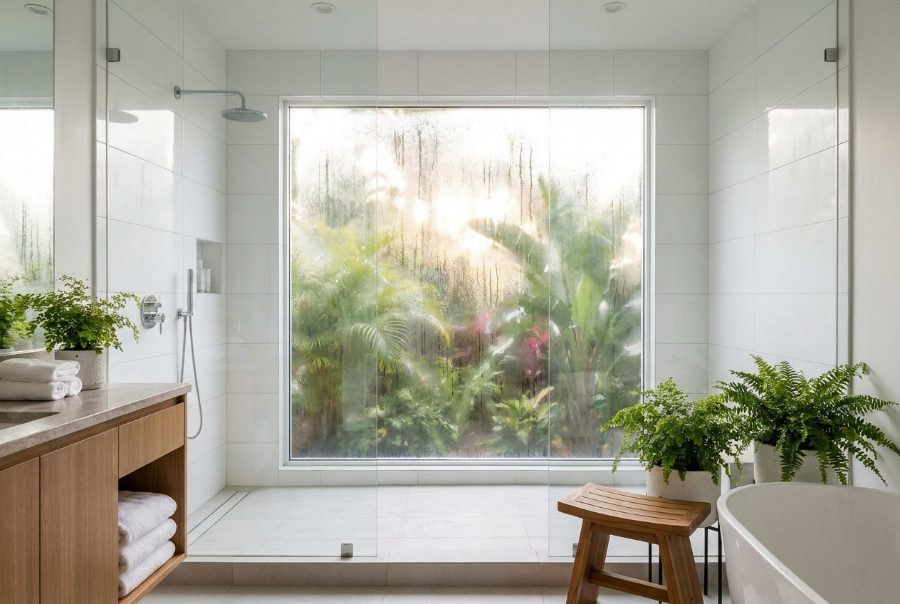
Window seals and tracks. Condensation builds up on the inside of windows when cool AC air meets the warm, humid air seeping in from outside. That moisture collects in the track, and if it is not wiped out regularly, you will find a black line of mold running the length of the frame within a few weeks.
The AC drip pan and drain line. Your air conditioner pulls moisture out of the air and sends it to a drip pan that drains outside. If that drain line clogs, which happens often in Florida because of algae growth, the pan overflows and you get standing water under your air handler. That kind of mold problem can spread into your walls before you notice it.
Under the kitchen sink. A slow drip from the P-trap or supply lines can go unnoticed for months. The dark, enclosed cabinet traps the moisture, and before long you are dealing with black mold on the cabinet floor and the back wall.
Closets on exterior walls. In older Florida construction especially, closets built against exterior walls do not always have good insulation. The wall stays cooler than the rest of the room, condensation forms on it, and clothes and boxes sitting against it stay damp.
The dehumidifier conversation
A lot of South Florida homeowners run their AC constantly and assume that is enough to control humidity. It helps, but it is not the whole picture. Air conditioners are built to cool air, not specifically to dehumidify it. When the AC cycles off, especially at night or during mild weather when the temperature does not trigger the thermostat, humidity climbs back up.
A standalone dehumidifier set to hold 50 percent relative humidity makes a real difference, particularly in bedrooms, closets, and any room that does not get much airflow. The 50 percent mark is the upper limit the Florida Cooperative Extension Service recommends for mold prevention. Above that, you are giving spores the conditions they need.
If you are leaving your home for an extended period, common for snowbirds and seasonal residents, set your thermostat no higher than 80 degrees and your dehumidistat to 50 percent. Do not just turn the AC off. A closed-up Florida home in summer with no climate control will have visible mold within weeks.
The cleaning routine that actually keeps up
Preventing mold in a South Florida home is not about one big deep clean every few months. It is about small, consistent habits that never give moisture a chance to settle.
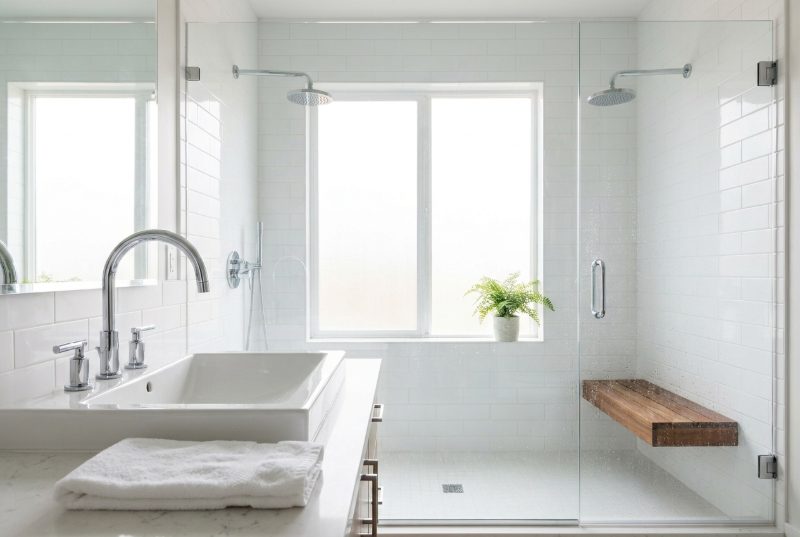
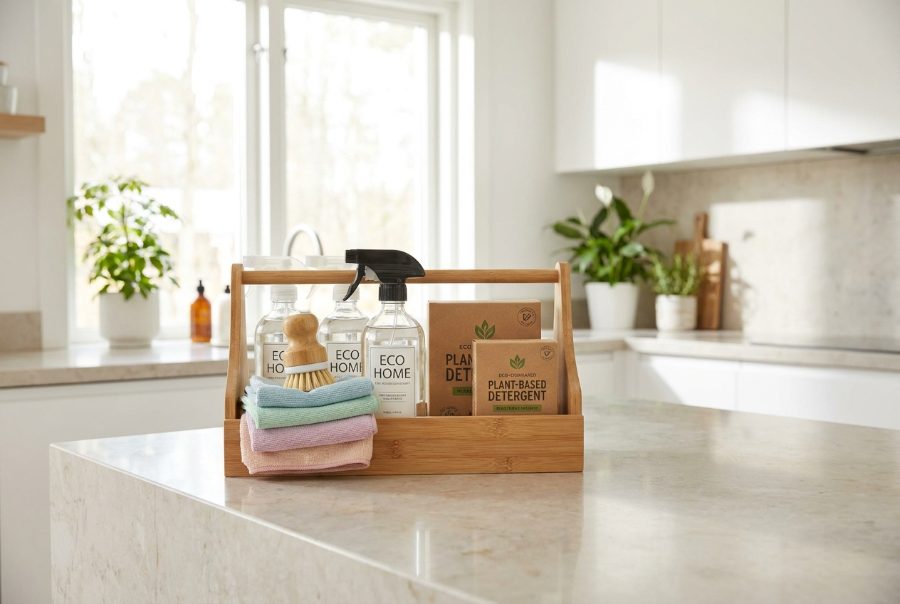
After every shower, run the exhaust fan for at least 20 minutes. If your bathroom does not have one, crack the door and run a box fan pointed outward. Squeegee the shower walls. It takes 30 seconds and removes the surface water mold needs. Once a week, spray the grout lines with a diluted white vinegar solution (equal parts vinegar and water) and let it sit for 10 minutes before rinsing. Vinegar is mildly acidic and disrupts mold growth without the harshness of bleach.
For window tracks, a quick wipe with a damp microfiber cloth once a week keeps condensation from building up. For the AC drain line, pour a cup of diluted bleach or white vinegar down it once a month to keep algae from clogging it.
Under sinks, make it a habit to open the cabinet doors and check for moisture every time you do a weekly clean. It takes five seconds and can save you a very expensive remediation bill.
When to call in a professional
Surface mold on tile grout or a window track is a cleaning problem. Mold that has spread behind drywall, under flooring, or into your HVAC system is a remediation problem, and it is not a DIY job. If you see mold returning within days of cleaning it, or you notice a musty smell that will not go away even after cleaning, that is a sign the problem runs deeper than the surface.
A professional mold inspection costs a few hundred dollars and can tell you whether you are dealing with a surface issue or something structural. In Florida, it is worth it. The cost of catching it early is a fraction of the cost of replacing drywall and flooring after a full infestation.
For the regular maintenance side, keeping surfaces clean, bathrooms scrubbed, and high-humidity areas in check, a consistent professional cleaning schedule is one of the most effective tools you have. When surfaces are cleaned regularly, mold does not get the foothold it needs to become a serious problem.